
Keeping cooking equipment clean is essential for every commercial kitchen. Professional cooking equipment cleaning improves food safety, extends equipment life, reduces fire hazards, and helps restaurants comply with health and fire safety regulations.
Whether you operate a restaurant, hotel, school cafeteria, hospital kitchen, food truck, or catering business, regular commercial cooking equipment cleaning protects your employees, customers, equipment, and business.
Quick Answer: What Is Cooking Equipment Cleaning?
Cooking equipment cleaning is the process of removing grease, food residue, carbon buildup, bacteria, and contaminants from commercial kitchen equipment such as ovens, grills, fryers, ranges, exhaust hoods, and food preparation surfaces.
Routine cleaning improves equipment performance, reduces fire risks, supports food safety, and helps restaurants comply with local health regulations and NFPA 96 fire safety requirements.
Why Cooking Equipment Cleaning Matters
Commercial kitchens generate:
- Grease
- Smoke
- Carbon deposits
- Food residue
- Oil buildup
- Airborne contaminants
Without routine cleaning, these materials accumulate on equipment and throughout the kitchen.
This can lead to:
- Fire hazards
- Equipment failures
- Health code violations
- Poor food quality
- Higher utility costs
- Expensive repairs
Professional cooking equipment cleaning helps prevent these issues while improving overall kitchen performance.
What Equipment Should Be Cleaned?
A complete commercial kitchen cleaning program should include every major piece of cooking equipment.
Ovens
Commercial ovens accumulate grease, carbon deposits, and baked-on food residue.
Routine cleaning helps:
- Improve cooking performance
- Reduce smoke
- Improve energy efficiency
- Extend equipment life
Grills and Griddles
Grills produce heavy grease buildup every day.
Professional cleaning removes:
- Carbon deposits
- Burnt grease
- Food particles
- Cooking residue
Clean grills produce more consistent cooking temperatures and better food quality.
Deep Fryers
Cooking oil leaves residue inside fryers that can reduce efficiency and contaminate fresh oil.
Routine fryer cleaning helps:
- Extend oil life
- Improve food quality
- Reduce grease accumulation
- Lower maintenance costs
Ranges and Cooktops
Gas and electric cooking surfaces should be cleaned regularly to remove grease and food debris that may create safety hazards.
Refrigeration Equipment
Refrigerators, freezers, and refrigerated prep stations should be cleaned routinely to maintain food safety and improve equipment efficiency.
Food Preparation Areas
Countertops, cutting stations, sinks, and food contact surfaces should be sanitized throughout the day to reduce bacterial contamination.
Restaurant Hood Cleaning Is Part of Cooking Equipment Cleaning
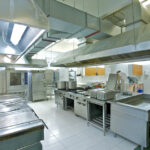
Many restaurant owners overlook one of the most important pieces of cooking equipment—the commercial kitchen exhaust system.
Professional restaurant hood cleaning removes combustible grease from:
- Kitchen hoods
- Grease filters
- Exhaust ducts
- Rooftop exhaust fans
Following NFPA 96 cleaning schedules significantly reduces fire risks while helping restaurants pass inspections.
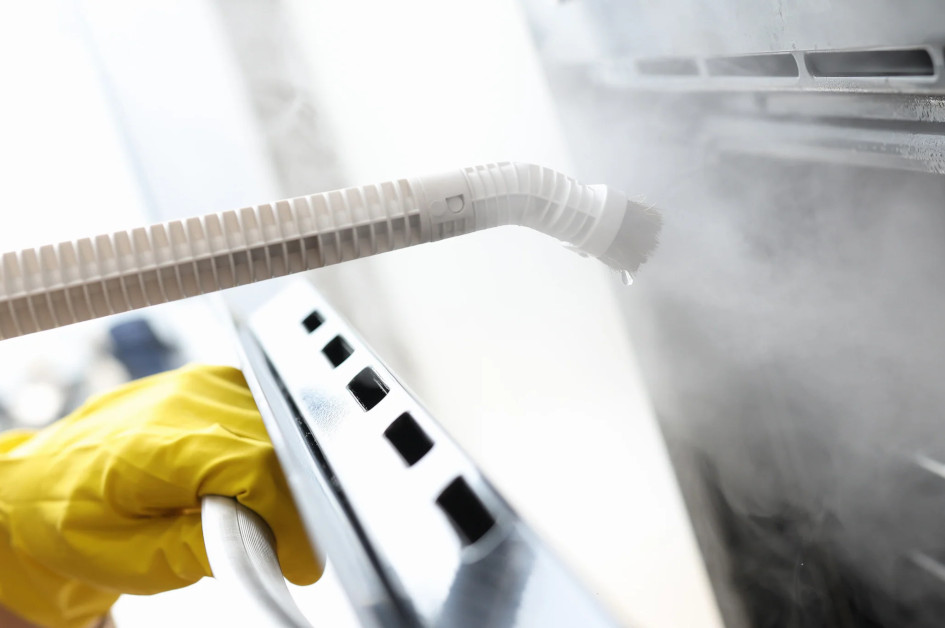
Steam Cleaning for Commercial Cooking Equipment
Steam cleaning is one of the most effective methods for cleaning commercial kitchen equipment.
High-temperature steam helps remove:
- Grease
- Carbon deposits
- Food residue
- Bacteria
- Mold
- Odors
Steam cleaning also reduces the need for harsh chemicals while using less water than traditional cleaning methods.
Benefits of Steam Cleaning
Professional steam cleaning offers several advantages.
Better Sanitization
High-temperature steam destroys bacteria and other microorganisms that may contaminate food preparation areas.
Deep Cleaning
Steam penetrates difficult-to-reach areas where grease and carbon deposits accumulate.
Chemical Reduction
Many surfaces can be cleaned with little or no chemical cleaners, creating a safer environment for employees.
Improved Equipment Performance
Removing grease and carbon buildup helps equipment operate more efficiently.
Better Air Quality
Steam cleaning reduces grease buildup that contributes to smoke and unpleasant odors throughout the kitchen.
How Often Should Cooking Equipment Be Cleaned?
Cleaning frequency depends on equipment usage.
Daily
- Countertops
- Prep tables
- Grills
- Fryers
- Food-contact surfaces
Weekly
- Ovens
- Refrigerators
- Shelving
- Floor drains
Monthly
- Deep equipment cleaning
- Steam cleaning
- Equipment inspections
Quarterly
- Restaurant hood cleaning
- Exhaust duct cleaning
- Exhaust fan cleaning
- Grease removal
High-volume kitchens may require more frequent service.
Benefits of Professional Cooking Equipment Cleaning
Hiring professionals provides several long-term advantages.
Fire Prevention
Removing grease buildup significantly reduces the risk of commercial kitchen fires.
Better Food Safety
Routine cleaning reduces bacteria and contamination risks.
Lower Equipment Costs
Clean equipment lasts longer and requires fewer repairs.
Health Code Compliance
Professional cleaning helps restaurants prepare for health inspections.
Better Employee Safety
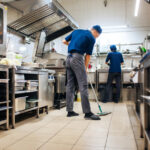
Removing grease reduces slip hazards while improving air quality throughout the kitchen.
Why Choose Professional Commercial Kitchen Cleaning?
Professional technicians have specialized equipment to clean areas that restaurant staff often cannot reach.
Professional services include:
- Cooking equipment cleaning
- Restaurant hood cleaning
- Kitchen exhaust cleaning
- Grease removal
- Steam cleaning
- Equipment inspections
Restaurant owners looking for certified hood cleaning professionals can find qualified contractors through the National Hood Cleaners Association.
Interested in learning how to provide these services?
MFS Trade School offers Kitchen Exhaust Hood Cleaning Certification covering:
- NFPA 96 compliance
- Commercial kitchen exhaust cleaning
- Fire safety
- Business operations
- Pricing
- Sales and marketing
Frequently Asked Questions
What is cooking equipment cleaning?
Cooking equipment cleaning removes grease, food residue, bacteria, and contaminants from commercial kitchen equipment.
Is steam cleaning safe for commercial kitchens?
Yes. Professional steam cleaning safely removes grease and bacteria while reducing the need for harsh chemicals.
Does cooking equipment cleaning include restaurant hood cleaning?
Many professional companies provide both services as part of a complete commercial kitchen cleaning program.
How often should commercial cooking equipment be cleaned?
Food-contact equipment should be cleaned daily, while deep cleaning schedules vary depending on cooking volume and equipment type.
Why is restaurant hood cleaning important?
Restaurant hood cleaning removes combustible grease that can cause commercial kitchen fires and helps restaurants comply with NFPA 96.
Final Thoughts
Professional cooking equipment cleaning is essential for maintaining a safe, efficient, and compliant commercial kitchen.
Routine cleaning improves food safety, extends equipment life, reduces fire hazards, and helps restaurants comply with health and fire safety regulations.
Combining regular equipment cleaning with professional restaurant https://mfstradeschool.com/en-us/pages/mfs-kitchen-exhaust-hood-cleaninghood cleaning provides the highest level of protection for employees, customers, and business operations.