
Quick Answer: Why Is Kitchen Exhaust Hood Cleaning Important?
Commercial Kitchen Exhaust Cleaning is one of the most important fire prevention and maintenance services every restaurant owner should prioritize. Regular commercial kitchen exhaust cleaning removes grease buildup from hoods, ducts, filters, and exhaust fans, helping restaurants comply with NFPA 96, reduce fire risks, improve indoor air quality, extend equipment life, and pass health and fire inspections.
Every commercial kitchen generates heat, smoke, grease-laden vapors, and airborne contaminants during normal cooking operations. Without regular kitchen exhaust hood cleaning, these contaminants accumulate inside the exhaust system, creating serious fire hazards, increasing operating costs, reducing ventilation efficiency, and placing restaurants at risk of costly violations and failed inspections.
Whether you operate a restaurant, hotel, hospital cafeteria, school kitchen, or any commercial food service facility, investing in routine exhaust system maintenance is one of the smartest decisions you can make to protect your employees, customers, equipment, and business.
Kitchen exhaust hood cleaning removes combustible grease deposits from commercial kitchen exhaust systems, helping restaurants:
- Reduce fire hazards
- Maintain NFPA 96 compliance
- Improve indoor air quality
- Pass health and fire inspections
- Extend equipment life
- Lower maintenance costs
- Protect insurance coverage
Regular cleaning is not simply a maintenance task—it is a critical part of commercial kitchen fire prevention.
What Is Commercial Kitchen Exhaust Cleaning?
Commercial kitchen exhaust cleaning is the process of removing grease, smoke residue, and combustible contaminants from every component of a commercial kitchen exhaust system.
A complete cleaning includes:
- Kitchen hood canopy
- Grease filters
- Grease ducts
- Exhaust fan
- Rooftop grease containment
- Fan housing
- Accessible ductwork
Professional cleaning removes combustible grease that cannot be reached through routine daily maintenance.
1. Fire Prevention
One of the primary reasons restaurants schedule kitchen exhaust hood cleaning is fire prevention.
Cooking equipment produces grease-laden vapors that travel through the exhaust system. As grease cools, it adheres to metal surfaces inside the hood and ductwork.
Over time, this buildup becomes highly combustible.
If a flare-up occurs on a grill or fryer, grease deposits inside the exhaust system can ignite and allow fire to spread rapidly throughout the building.
Routine professional cleaning dramatically reduces this risk.
Regular commercial kitchen exhaust cleaning removes combustible grease before it becomes a serious fire hazard, helping restaurants comply with NFPA 96 and improve overall kitchen safety.
2. Compliance With NFPA 96
Most commercial kitchens in the United States must comply with NFPA 96, the Standard for Ventilation Control and Fire Protection of Commercial Cooking Operations.
NFPA 96 establishes recommendations for:
- Hood inspections
- Cleaning frequencies
- Grease removal
- Fire safety
- Documentation
Following these guidelines helps restaurants remain compliant and prepared for inspections.
Professional commercial kitchen exhaust cleaning provides the documentation and maintenance records many fire inspectors and insurance companies require.
3. Better Air Quality
A clean exhaust system removes:
- Smoke
- Heat
- Steam
- Cooking odors
- Airborne grease particles
Improved ventilation creates a healthier work environment for kitchen employees while providing a better dining experience for customers.
Poor airflow can also make kitchens hotter, less comfortable, and less productive.
Commercial kitchen exhaust cleaning also improves ventilation performance by removing grease, smoke, and airborne contaminants from the entire exhaust system.
4. Health and Food Safety
Grease buildup creates an environment where contaminants can accumulate.
Routine kitchen exhaust hood cleaning helps reduce:
- Mold growth
- Bacteria
- Food contamination risks
- Unpleasant odors
- Pest attraction
Maintaining a clean commercial kitchen supports both food safety and employee health.
Routine commercial kitchen exhaust cleaning helps reduce bacteria, mold, unpleasant odors, and grease accumulation that can negatively impact food safety.
5. Improved Equipment Performance
Grease restricts airflow throughout the ventilation system.
A clean exhaust system allows equipment to operate more efficiently by:
- Improving airflow
- Reducing strain on exhaust fans
- Lowering energy consumption
- Helping cooking equipment perform consistently
Preventive maintenance also reduces the likelihood of expensive equipment repairs.
6. Lower Long-Term Operating Costs
Professional hood cleaning is an investment that helps restaurants reduce long-term expenses.
Benefits include:
- Fewer emergency repairs
- Longer equipment life
- Reduced energy bills
- Lower maintenance costs
- Fewer operational disruptions
Routine maintenance is almost always less expensive than repairing fire damage or replacing damaged ventilation equipment.
7. Passing Health and Fire Inspections
Fire marshals and health inspectors commonly evaluate commercial kitchen exhaust systems during inspections.
Inspectors may review:
- Grease accumulation
- Hood cleaning labels
- Fire suppression systems
- Exhaust fan condition
- Maintenance documentation
Restaurants that maintain regular cleaning schedules are generally better prepared for inspections.
How Often Should Kitchen Exhaust Hoods Be Cleaned?
Cleaning frequency depends on cooking volume and grease production.
Typical recommendations include:
Monthly
- Wood-fired cooking
- Charcoal cooking
- Solid-fuel operations
Quarterly
- Fast-food restaurants
- High-volume kitchens
- Charbroiling operations
Semiannually
- Full-service restaurants
- Moderate-volume kitchens
Annually
- Churches
- Seasonal kitchens
- Community facilities
- Low-volume operations
Restaurants should adjust cleaning schedules whenever grease accumulates faster than expected.
Signs Your Exhaust Hood Needs Cleaning
Watch for these warning signs:
- Smoke escaping the hood
- Grease dripping from the canopy
- Strong grease odors
- Poor airflow
- Excessive rooftop grease
- Loud exhaust fan operation
These symptoms often indicate significant grease buildup within the exhaust system.
Frequently Asked Questions
Why is kitchen exhaust hood cleaning important?
It helps reduce fire hazards, improve ventilation, support NFPA 96 compliance, and protect restaurant operations.
Does daily cleaning replace professional hood cleaning?
No.
Restaurant staff should clean accessible surfaces and grease filters regularly, but only professional technicians can clean the complete exhaust system.
Can grease buildup cause a kitchen fire?
Yes.
Grease inside exhaust ducts and fans is highly combustible and can rapidly spread fire throughout a building.
How often should commercial kitchen exhaust cleaning needs to be done?
Cleaning frequency depends on cooking volume, equipment, and grease production, ranging from monthly to annually.
Does hood cleaning help reduce energy costs?
Yes.
A clean exhaust system improves airflow, allowing ventilation equipment to operate more efficiently.
Final Thoughts
Kitchen exhaust hood cleaning is one of the most important maintenance services for any commercial kitchen. Regular cleaning helps restaurants reduce fire risks, improve air quality, extend equipment life, maintain NFPA 96 compliance, and protect employees, customers, and business operations.
Whether you operate a restaurant, hotel, hospital, school, or institutional kitchen, investing in routine hood cleaning supports safer and more efficient food service operations.
Looking for qualified hood cleaning professionals or want to learn more about commercial kitchen fire safety? The National Hood Cleaners Association (NHCA) provides educational resources, industry best practices, and access to a nationwide network of certified hood cleaning professionals. Visit https://nationalhoodcleaners.org to explore additional resources and learn more about maintaining a safe, compliant commercial kitchen.
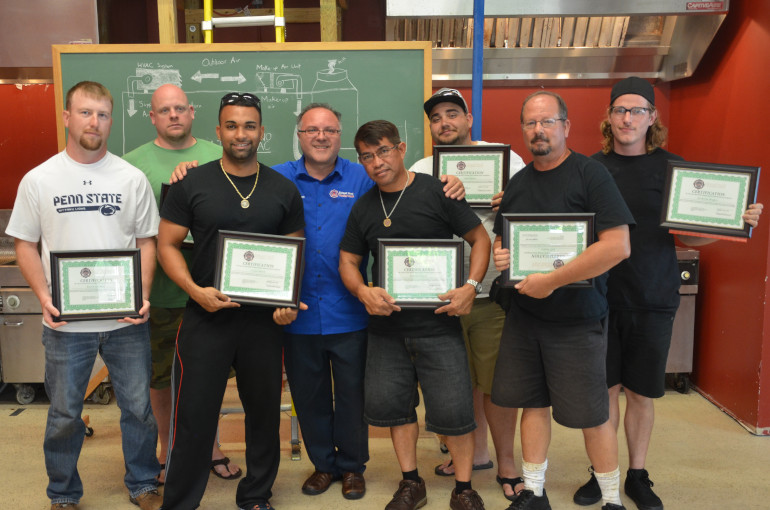
Interested in building a career in this growing industry? MFS Trade School offers comprehensive Kitchen Exhaust Hood Cleaning Certification, combining hands-on training, NFPA 96 education, commercial cleaning techniques, and business development to prepare students for successful careers and business ownership. Learn more at https://mfstradeschool.com.
Scheduling commercial kitchen exhaust cleaning on a regular basis is one of the most effective ways to protect your restaurant, remain compliant, and extend the life of your kitchen exhaust system.