

Quick Answer
In 2026, restaurant hood cleaning typically costs between $300 and $1,800 per visit for many U.S. commercial kitchens. Small or light-use systems may cost around $300 to $700, while standard full-service restaurants often pay approximately $450 to $1,200. Large, heavily used, neglected, or complex exhaust systems can cost $1,000 to $3,500 or more.
Recent industry pricing guides place basic single-hood cleaning near the lower end of this range, while multi-hood systems, long duct runs, heavy grease accumulation, and difficult rooftop access increase the final price.
These figures are planning estimates. A contractor should inspect or collect detailed information about your system before providing a final quote.
Restaurant Hood Cleaning Cost Breakdown
The cost of professional hood cleaning depends more on the exhaust system than on the restaurant’s square footage.
Restaurant owners can use the following estimates for initial budgeting:
| Kitchen Type | Estimated Cost per Visit |
| Small café, church kitchen, or light-use single hood | $300–$700 |
| Standard full-service restaurant | $450–$1,200 |
| High-volume or multi-hood restaurant | $600–$1,800 |
| Hotel, hospital, casino, commissary, or complex system | $1,000–$3,500+ |
A simple system that has been cleaned regularly will usually cost less than a neglected system with heavy grease inside the hood, ducts, and rooftop fan.
Some contractors charge a flat rate, while others calculate pricing based on labor hours, crew size, number of hoods, duct configuration, and access conditions. Published 2026 pricing data indicates that a typical two-person crew may cost around $104 per hour nationally, although local labor rates vary considerably.
What Affects Restaurant Hood Cleaning Prices?
System Size and Number of Hoods
A longer hood or multiple hood systems require more labor, containment materials, chemicals, and equipment.
More hoods also mean more:
- Grease filters
- Plenum space
- Duct connections
- Exhaust fans
- Rooftop work
- Areas requiring documentation
A single café hood will usually cost less than a restaurant with separate fryer, grill, and prep-line exhaust systems.
Duct Length and Layout
Short, accessible ductwork is easier to clean than long horizontal ducts, multi-story vertical systems, shared shafts, or ducts with limited access panels.
The ductwork is especially important because grease can remain hidden even when the visible hood looks clean.
Restaurant owners should be cautious about any quote that covers only the hood canopy without addressing the plenum, accessible ducts, and exhaust fan.
Grease Accumulation
Cooking volume and cooking method significantly affect the amount of grease produced.
Operations involving the following typically require more intensive cleaning:
- Deep fryers
- Charbroilers
- Wok cooking
- Griddles
- Solid-fuel appliances
- High-volume food production
A system that remains on a proper maintenance schedule is generally easier and less expensive to clean than one that has been neglected for a year or longer.
Roof and Fan Access
Cleaning crews must safely reach and open the rooftop exhaust fan.
Pricing may increase when a restaurant has:
- Ladder-only roof access
- Steep or fragile roofing
- Locked roof areas
- Missing fan hinge kits
- Unsafe working conditions
- Difficult parking or loading access
- Multiple roof levels
After-hours, overnight, or emergency service may also carry an additional charge because most commercial kitchens need cleaning when cooking operations are closed.
Location
Restaurant hood cleaning prices vary by city and region.
Local pricing may reflect:
- Labor rates
- Insurance requirements
- Travel time
- Parking expenses
- Market competition
- Local licensing rules
- Fire department requirements
Restaurants in major metropolitan areas may pay more than comparable kitchens in smaller markets.
What Should Professional Hood Cleaning Include?
A complete commercial kitchen exhaust cleaning service should address the accessible components that collect grease throughout the system.
The written scope should identify whether the contractor will clean:
- Hood interior surfaces
- Grease filters
- The plenum behind the filters
- Accessible ductwork
- Exhaust fan blades
- Fan housing
- Rooftop grease accumulation near the fan
- Accessible grease containment components
The service should also include appropriate protection of the cooking area, grease and wastewater cleanup, before-and-after photographs, a written service report, and a cleaning label showing the service date.
NFPA 96 addresses fire safety requirements for commercial cooking ventilation systems, including inspection, maintenance, and cleaning procedures intended to reduce grease-related fire hazards.
What May Not Be Included?
Hood cleaning companies do not always include repairs or replacement parts in the standard cleaning price.
Common exclusions include:
- Replacement grease filters
- Fan belts or bearings
- Exhaust fan motors
- Electrical repairs
- Fire suppression inspection
- Access panel installation
- Exhaust fan hinge kits
- Rooftop grease containment replacement
- Grease trap pumping
- Deep cleaning of walls, floors, or appliances
- Pest or odor remediation
Ask for an itemized quote so you understand exactly what is included before approving the service.
A lower estimate may not be a better value when it leaves out the ductwork, rooftop fan, documentation, or necessary cleanup.
How Often Should Restaurant Hoods Be Cleaned?
The required schedule depends on the cooking operation, grease accumulation, inspection findings, and local code requirements.
Common NFPA 96-based inspection schedules are:
| Cooking Operation | Typical Inspection Frequency |
| Solid-fuel cooking | Monthly |
| High-volume cooking | Quarterly |
| Moderate-volume cooking | Semi-annually |
| Low-volume or seasonal cooking | Annually |
Cleaning should be performed when grease accumulation is found during inspection. Local fire officials and the Authority Having Jurisdiction determine how adopted requirements apply to each restaurant. NFPA guidance notes that most standard restaurants are commonly inspected semi-annually, while higher-risk operations may require more frequent attention.
Restaurant staff can clean removable filters and visible exterior surfaces, but this does not replace professional cleaning of the complete kitchen exhaust system.
Red Flags in Hood Cleaning Quotes
Restaurant owners should be cautious when a contractor says:
- “We only clean the visible hood.”
- “The ductwork does not need to be checked.”
- “We do not open or clean the rooftop fan.”
- “Photos and reports are unnecessary.”
- “Every restaurant receives the same price.”
- “Your kitchen staff can complete the entire service.”
- “You do not need documentation.”
- “We can provide a sticker without cleaning the full system.”
A surface cleaning can make the cookline look better while leaving combustible grease inside the ductwork and fan.
Ask every provider to explain the complete scope in writing.
How to Reduce Hood Cleaning Costs Safely
Restaurant owners can control long-term costs without sacrificing fire safety.
Maintain the Filters
Clean or exchange grease filters frequently. Well-maintained filters can reduce the amount of grease entering the plenum and ductwork.
Stay on Schedule
Do not wait until grease is dripping from the hood. Heavy accumulation requires more chemicals, scraping, labor, and cleanup.
Request Recurring-Service Pricing
A recurring agreement may reduce the cost per visit and help ensure the restaurant does not miss required service dates.
Prepare the Kitchen
Before the crew arrives:
- Remove small items from the cookline.
- Provide access to the kitchen and roof.
- Share alarm and lock instructions.
- Confirm where water and electrical connections are located.
- Inform the contractor about recent equipment changes.
Compare the Scope, Not Only the Total
An accurate comparison should confirm that every quote addresses the hood, plenum, accessible ducts, exhaust fan, cleanup, photographs, service labels, and written documentation.
Frequently Asked Questions
What is the average commercial hood cleaning cost?
Many restaurant systems cost between $300 and $1,800 per visit. Larger or heavily contaminated systems may exceed $3,500.
Why is my first hood cleaning more expensive?
A first cleaning may require additional scraping, chemicals, labor, and containment when grease has accumulated over an extended period.
Does hood cleaning include the fire suppression system?
Usually not. Fire suppression inspection and maintenance are generally performed by a qualified fire protection contractor and may require a separate appointment.
Can restaurant employees clean the hood system?
Employees can clean filters and visible surfaces. Complete cleaning of the ducts and exhaust fan should be performed by trained kitchen exhaust cleaning professionals.
Should I choose the cheapest hood cleaning quote?
Not automatically. Compare the complete scope, contractor qualifications, documentation, insurance, and whether the ducts and rooftop fan are included.
Final Thoughts
In 2026, most restaurant owners should budget several hundred to several thousand dollars per hood cleaning visit, depending on system size, cooking volume, grease accumulation, access, service frequency, and location.
The best quote is not necessarily the lowest one. It is the quote that covers the complete exhaust system, clearly explains exclusions, provides documentation, and helps the restaurant maintain safer operations.
Restaurant owners can use the National Hood Cleaners Association to learn more about kitchen exhaust cleaning requirements and locate qualified service providers.
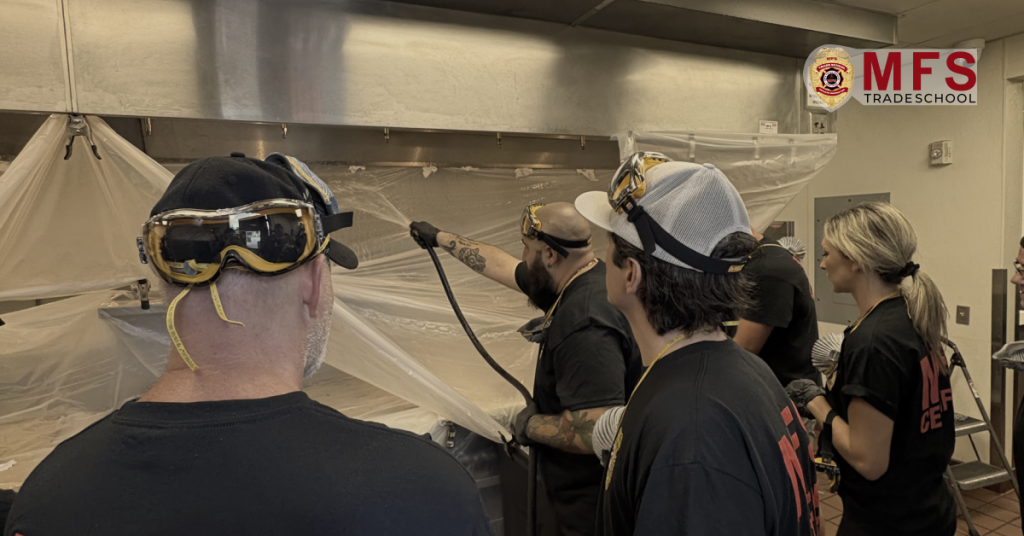
Professionals interested in offering commercial hood cleaning services can explore MFS Trade School’s Kitchen Exhaust Hood Cleaning Certification, online education, inspection training, and three-day hands-on program. The training covers NFPA 96 principles, professional cleaning techniques, equipment operation, estimating, pricing, documentation, and business development.