
Keeping a restaurant clean requires much more than wiping tables and taking out the trash. Professional janitorial restaurant cleaning helps restaurants maintain a safe, sanitary, and welcoming environment while complying with health and fire safety regulations.
Whether you operate a restaurant, café, hotel kitchen, food court, or institutional kitchen, investing in professional janitorial restaurant cleaning services protects your employees, customers, equipment, and reputation.
Quick Answer: What Is Janitorial Restaurant Cleaning?
Janitorial restaurant cleaning is a professional cleaning service designed specifically for restaurants and commercial food service facilities. It includes cleaning dining areas, kitchens, restrooms, floors, food preparation areas, and commercial kitchen exhaust systems to maintain cleanliness, food safety, and regulatory compliance.
Professional restaurant cleaning helps businesses:
- Maintain health code compliance
- Improve food safety
- Reduce fire risks
- Extend equipment life
- Create a better customer experience
- Improve employee safety
Why Janitorial Restaurant Cleaning Matters
Restaurants experience heavy foot traffic and continuous food preparation throughout the day.
This creates:
- Grease buildup
- Food residue
- Bacteria
- Smoke
- Airborne contaminants
- Slippery floors
- Odors
Without routine professional cleaning, these issues can lead to:
- Health code violations
- Fire hazards
- Equipment damage
- Customer complaints
- Failed inspections
- Reduced employee productivity
Professional janitorial restaurant cleaning helps restaurants maintain a cleaner, safer, and more efficient operation.
What Is Included in Janitorial Restaurant Cleaning?
Professional restaurant cleaning companies provide comprehensive cleaning services throughout the facility.
Commercial Kitchen Cleaning
The kitchen is the highest-priority area in any restaurant.
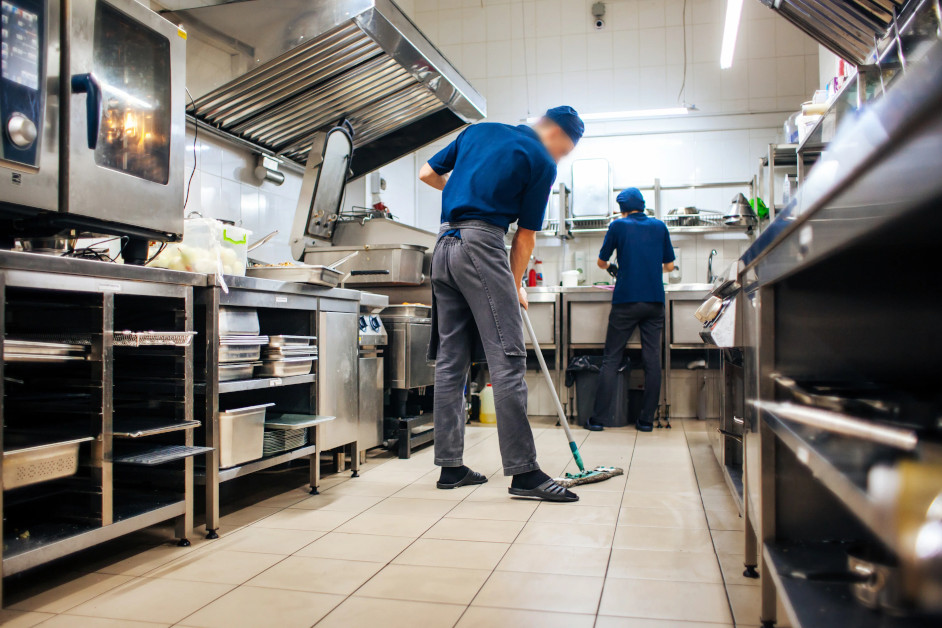
Commercial kitchen cleaning typically includes:
- Cooking equipment cleaning
- Countertop sanitizing
- Food preparation surfaces
- Stainless steel polishing
- Wall cleaning
- Ceiling cleaning
- Degreasing hard surfaces
Routine commercial kitchen cleaning helps improve food safety while reducing grease accumulation.
Restaurant Hood Cleaning
One of the most important services included in professional janitorial restaurant cleaning is restaurant hood cleaning.
Commercial kitchen exhaust systems collect:
- Grease-laden vapors
- Smoke
- Oil particles
- Combustible grease deposits
Professional hood cleaning removes grease from:
- Kitchen hoods
- Grease filters
- Exhaust ducts
- Rooftop exhaust fans
Restaurants should follow NFPA 96 cleaning schedules to reduce fire hazards and remain compliant with local fire codes.
Dining Area Cleaning
A clean dining room creates a better customer experience.
Restaurant janitorial services typically include:
- Table sanitizing
- Chair cleaning
- Floor cleaning
- Window cleaning
- Dust removal
- Trash removal
- Surface disinfection
Maintaining a clean dining area improves customer satisfaction and brand reputation.
Restroom Cleaning
Restrooms are among the most frequently inspected areas of any restaurant.
Professional restroom cleaning includes:
- Toilet sanitizing
- Sink cleaning
- Mirror cleaning
- Floor disinfection
- Restocking paper products
- Odor control
Proper restroom maintenance helps improve customer confidence.
Floor Cleaning
Restaurant floors quickly collect grease, spills, and food debris.
Professional floor cleaning includes:
- Sweeping
- Mopping
- Degreasing
- Scrubbing
- Floor polishing
- Slip hazard removal
Clean floors reduce workplace accidents while improving appearance.
Grease Trap and Waste Management
Restaurants generate significant grease and food waste every day.
Professional services may include:
- Grease trap cleaning
- Waste removal
- Recycling management
- Drain cleaning
Proper grease management helps prevent plumbing problems and unpleasant odors.
Benefits of Professional Janitorial Restaurant Cleaning
Hiring professional restaurant cleaning services provides several long-term advantages.
Better Food Safety
Professional cleaning reduces bacteria and cross-contamination risks throughout the kitchen.
Fire Prevention
Removing grease from kitchen exhaust systems significantly reduces the risk of commercial kitchen fires.
Health Code Compliance
Routine cleaning helps restaurants prepare for health department inspections.
Improved Customer Experience
Customers notice clean restaurants.
A cleaner environment encourages repeat business and strengthens your reputation.
Longer Equipment Life
Regular cleaning helps protect:
- Ovens
- Fryers
- Refrigerators
- Exhaust systems
- Kitchen equipment
Removing grease buildup reduces wear and costly repairs.
Employee Safety
Clean kitchens reduce:
- Slip hazards
- Smoke
- Poor ventilation
- Airborne contaminants
A cleaner workplace creates a healthier environment for employees.
How Often Should Restaurants Schedule Janitorial Cleaning?
Cleaning frequency depends on restaurant size and cooking volume.
Daily services typically include:
- Dining room cleaning
- Restroom cleaning
- Trash removal
- Surface sanitizing
Weekly services often include:
- Equipment cleaning
- Floor scrubbing
- Wall cleaning
Monthly or quarterly services may include:
- Restaurant hood cleaning
- Kitchen exhaust cleaning
- Deep kitchen cleaning
- Grease trap maintenance
High-volume restaurants may require more frequent professional cleaning.
How to Choose the Best Janitorial Restaurant Cleaning Company
Before hiring a restaurant cleaning company, verify that they provide:
- Restaurant cleaning experience
- Commercial kitchen cleaning
- Restaurant hood cleaning
- NFPA 96 knowledge
- Liability insurance
- Flexible scheduling
- Transparent pricing
- Positive customer reviews
Restaurant owners should choose companies experienced in food service environments rather than general janitorial cleaning.
Why Restaurant Hood Cleaning Is Essential
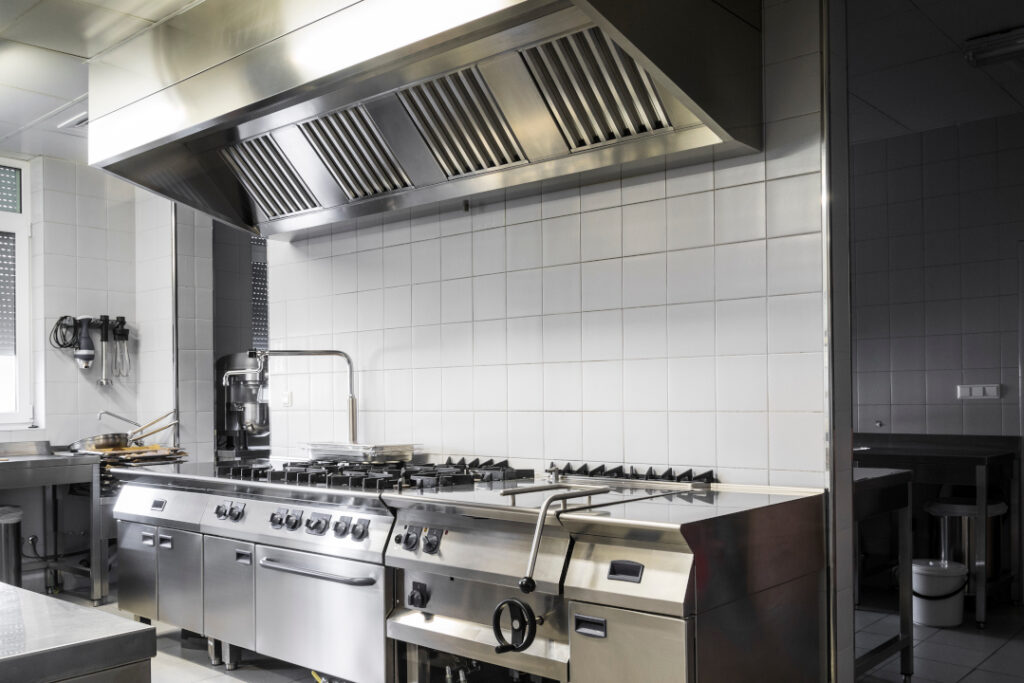
Restaurant hood cleaning deserves special attention because grease accumulation inside exhaust systems is one of the leading causes of commercial kitchen fires.
Professional hood cleaning helps restaurants:
- Reduce fire risks
- Improve ventilation
- Protect equipment
- Pass fire inspections
- Maintain insurance coverage
Restaurant owners looking for certified hood cleaning contractors can find qualified professionals through the National Hood Cleaners Association.
Interested in starting your own commercial kitchen cleaning business?
MFS Trade School offers Kitchen Exhaust Hood Cleaning Certification covering:
- NFPA 96 compliance
- Commercial kitchen exhaust cleaning
- Fire inspections
- Sales and marketing
- Pricing
- Business operations
- Janitorial Restaurant Cleaning
Frequently Asked Questions
What is janitorial restaurant cleaning?
Janitorial restaurant cleaning is a professional cleaning service that maintains kitchens, dining areas, restrooms, floors, and commercial kitchen exhaust systems.
Does janitorial restaurant cleaning include hood cleaning?
Many companies include restaurant hood cleaning or partner with certified hood cleaning specialists for NFPA 96 compliance.
How often should restaurants schedule professional cleaning?
Daily cleaning is recommended for customer areas, while deep cleaning schedules vary depending on cooking volume and local regulations.
Why is restaurant hood cleaning important?
Restaurant hood cleaning removes combustible grease that can cause kitchen fires and helps restaurants comply with NFPA 96 fire safety standards.
Can professional cleaning help restaurants pass inspections?
Yes. Routine cleaning helps restaurants prepare for health inspections, fire inspections, and insurance evaluations.
Final Thoughts
Professional janitorial restaurant cleaning is an essential investment for every restaurant owner.
Routine commercial kitchen cleaning, restaurant hood cleaning, floor care, restroom sanitation, and grease management help improve food safety, reduce fire hazards, extend equipment life, and create a better experience for customers and employees.
By partnering with experienced restaurant cleaning professionals and following NFPA 96 recommendations, restaurants can maintain a safer, cleaner, and more compliant operation while protecting their long-term success.